
New growth, meet old content – The Short Stack
Friends,
Let’s say you’re the producer of a news-focused podcast/broadcast. It’s an election cycle and there’s a lot of chatter out there at the moment about a candidate running for Congress. Many on the opposing side say that the promises she’s making now about universal pre-k are just fresh opportunism instead of a long-held, authentic priority.
Then one of your co-producers reminds you that you conducted a few interviews years ago in which the candidate may have discussed universal pre-k. Resurface those segments and your news org could bring some new, objective clarity to all the hearsay – while you bring a lot of listenership to your show.
Someone just has to, among other things, fish through thousands of hours of content, find the most relevant bits, and get them out quickly (perhaps in multiple formats and channels).
As we roll into the Public Media Growth Conference (PMGC) this week, we’re thinking a lot about the options that stations have for generating more revenue (which, as we know, is more critical than ever right now). I'll be talking about one of them – programmatic advertising (a path that many public stations are still getting used to). Others will delve into strategies ranging from new kinds of fundraising to new kinds of digital content. But there’s a part of growth that gets overlooked: repurposing content you already have.
Why don’t audio publishers – public media or otherwise – take advantage of older content more often? Well for one, they don’t have a lot of time. Thousands of new podcasts are created daily; to stay competitive and keep audiences coming back, publishers need to keep churning out great shows quickly (especially in news), often with diminished teams. Those same teams also need to be able to find the most relevant segments buried in massive libraries. Add in creating/releasing in multiple formats (eg, video), channels (eg, social), and…well you get the picture. Back catalog content stays on the back burner.
Or it doesn’t. Publishers just need easier ways to resurface and release those buried media treasures. If they do, they unleash new value.
Back to our hypothetical news publisher. Turns out, that controversial candidate DID talk to you about universal pre-k. Let’s say now, instead of just sitting there, those segments in your library are automatically identified as that candidate trends in the news and turned into fresh content with the help of AI. Your older shows lend a new, up-to-date, objective truth to the debate, for which your outlet gets tremendous attention. Your audiences grow. You create fresh ad opportunities. Sponsors send you more budget. Your CPM increases. Your cost doesn’t.
The point? There’s more to growing business than stations/podcasters often have time to consider. And it can be just as fundamental to ensuring that publishers keep informing, educating, and entertaining listeners long into the future.
If you’re headed to Chicago for PMGC, come by my panel on building scale and efficiency in public media with WBGO’s Steve Williams, Jacobs Media's Paul Jacobs and Chris Brunt, and William Saurer of Buffalo Toronto Public Media. And I'd love to chat directly about any of the above.
 Scott Klass , CMO

Based on a survey of more than 5,000 U.S. consumers, The Podcast Atlas identifies five distinct territories that make up today’s creator ecosystem: audio podcasts, video podcasts, short-form clips, social platforms, and newsletters. According to the results, rather than competing with one another, each serves a unique role in how audiences discover, engage with, and build relationships with creators.

|

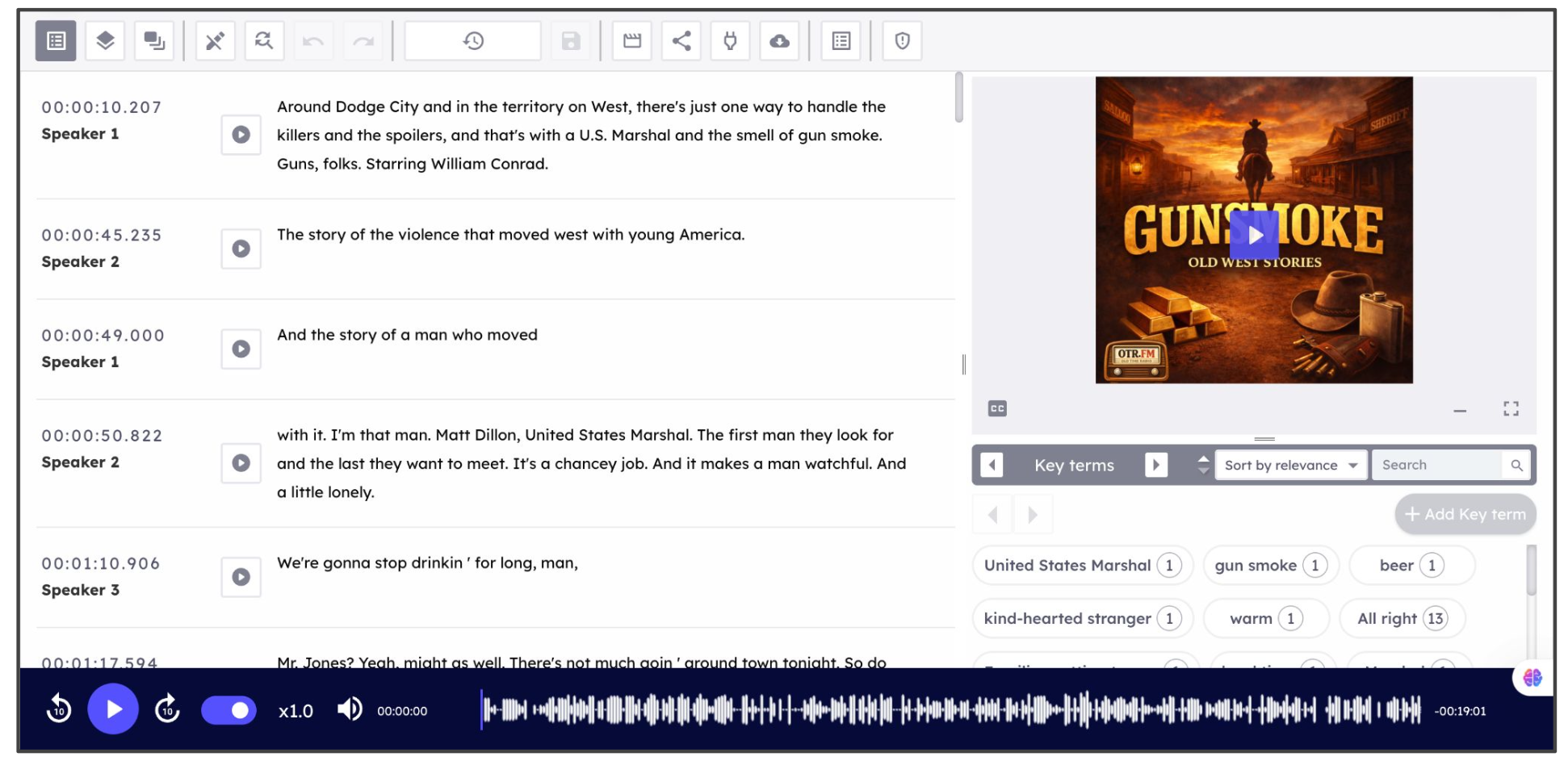
Relative to our article above, we’d be remiss to not show you these capabilities in our own product, because nothing is more critical than your content. But finding, organizing, and republishing content is hard, and it means you could be leaving money on the table.
Digital Asset Maximization uses AI to automatically structure, enrich, and surface content across your library, helping teams work faster, maximize existing assets, and unlock more value from every piece of content.

|