New thinking fills the public radio revenue gap
WBGO embraces programmatic advertising to help navigate a critical time
-

Thousands in incremental monthly sponsor revenue
-

Fewer than 20 messages of concern from listeners
-

New precedent for public media growth
WBGO is the global leader in jazz radio, broadcasting from the jazz capital of the world. Founded in 1979, the station is a publicly-supported cultural institution that preserves and elevates America’s music: jazz and blues. WBGO reaches a weekly audience of 400,000 in the New York/New Jersey metro area via 88.3FM, WBGO.org, and a global audience of over 100,000 via its live stream. From its home base of Newark, New Jersey, WBGO has long been an anchor institution in community engagement through its partnerships, concerts, education, and news programming.
Issue – how to replace lost funding
No great mystery – public radio is facing some unique challenges right now. Given the dismantling of the Corporation for Public Broadcasting (CPB), WBGO, like all public media stations, was faced with replacing lost revenue to continue its service to dedicated listeners around the world.
Also like many other stations, BGO thought about opening up its sponsor message inventory to different types of advertising, but there were concerns that the long-respected standards of public media could be diminished.
Approach – embrace new revenue sources
While emergency fund drives helped temper the crisis, longer term concerns focus on donor sustainability. Station CEO Steve Williams decided more needed to be done, so they started selling BGO’s streaming inventory in a programmatic ad exchange. The loss of funding from CPB was an extraordinary development in the history of public media; ensuring the station’s stability and sustainability would require an open minded, novel approach to generating revenue.
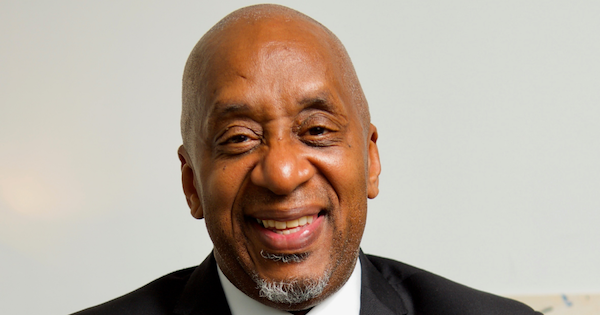
"The broadcast medium has a legacy of adaptability. Not long ago, station websites were considered by some to be luxuries that competed with conventional radio audiences and dollars – now digital media are necessities and primary revenue generators, because of a need to adapt to the rapidly changing consumer base and revenue sources. In my mind, this situation is analogous to what happened after digitization – traditional media, e.g. BGO, in response to consistent shrinkage of audiences and revenue sources, must adapt with an open and opportunistic mind to generate new, non-traditional revenue."
-Steve Williams, President and CEO
Already leveraging SoundStack to power its live stream, BGO’s move to try supplementing their underwriting with programmatic ads on the platform was a painless one. The station was set up in SoundStack Marketplace, where each ad impression is automatically auctioned in an open exchange and sold to the highest-bidding advertiser, within just a few weeks.
Steve also issued clear, concise messaging around the change to be straightforward with listeners, emphasizing BGO’s pragmatism, intrinsic value, and the case for sustainability.
Still mindful of concerns about inappropriate ads ending up in its live stream, Steve (in addition to “keeping an ear” on things) leveraged marketplace controls around brand safety, sponsor approval, and IAB category review and blocking.
"Like all public media, we air underwriting and sponsorship announcements at regular intervals that conform to FCC regulations. Nonetheless, they are generally construed as “commercials” by the listener or viewer. The insertions don’t adhere to the non-com copy restrictions, and the regular listener notices – and reacts to the distinction. Ultimately that’s a good thing for the advertiser because the tone and texture of the message is cutting through with this audience."
(Williams)
Results – a big impact, quickly
The positive impact of BGO’s new approach was immediately apparent, on multiple levels.
- The station added thousands in incremental sponsor revenue from the time CPB was dismantled
- The perception that listeners won’t tolerate digital ads is greater than the reality: BGO received fewer than 20 messages of concern from listeners; most of them completely understood that the station is running on a tight budget in the wake of government cutbacks
- Operationally, the move is adding very little extra workload, with marketplace automation taking on most of the heavy lift
- Presents opportunities to book accounts that wouldn’t or couldn’t conform to FCC restrictions for underwriting/sponsorship copy
Williams continued: "The advertiser and stations will eventually adapt to optimize the reach opportunity – and the audience will most certainly adapt and adjust the bar. Sooner or later, you see this in the messages I’m receiving:
“…I see exactly what you're up against, and from your thinking, you are handling it beautifully. I feel for your situation and I wish you the best. I love the station as I have for several decades!”
“…Exactly what we suspected. I don't care about content but please require them to keep the volume level of their ads no louder than the voices of your on air announcers. Best of luck. and thank you for your very prompt reply.”"
Conclusion
New thinking – and action – are necessary to help weather the storm of the current public media landscape. WBGO is now charting the way as a first mover to prove out the value of adding new revenue via programmatic advertising, and Steve is sharing the above insight with other stations in the hopes that they’ll follow suit to help preserve public media long into the future.
Listen to the WBGO stream to experience the changes yourself here 🎷
https://www.wbgo.org/